
Entrevista a
Borja González
“La búsqueda de la belleza en los lugares feos”
Borja González Hoyos, artista autodidacta nacido en Badajoz en 1982, es ilustrador, dibujante de cómics y guionista de sus propias historias, lo que lo convierte en un autor completo. Tras varios trabajos previos, fundó junto a Mayte Alvarado y Rui Díaz la editorial El Verano del Cohete, desde la que publicó títulos como El rey de los elfos, obra de transición en la que ya se intuyen algunas de las figuras que después definirían buena parte de su imaginario, y La Reina Orquídea (2016), donde comenzaron a perfilarse con más claridad muchas de sus claves: personajes sin rostro, una temporalidad ambigua provocada por la deliberada ausencia de contexto y silencios marcados que buscan la presencia del lector como parte de la historia.
Después llegaría su salto a Reservoir Books con The Black Holes (2018), primer título de la trilogía Las tres noches, al que siguieron Grito nocturno (2021), Premio Nacional del Cómic 2023, y El pájaro y la serpiente (2023). En esta conversación, Borja González habla de su proceso creativo, de la intuición como laberinto de experimentación, de su relación con el terror, de la posible vinculación de su obra con la narrativa del cine y de La reina de otoño, su próximo libro.
por SANDRA PEDRAJA
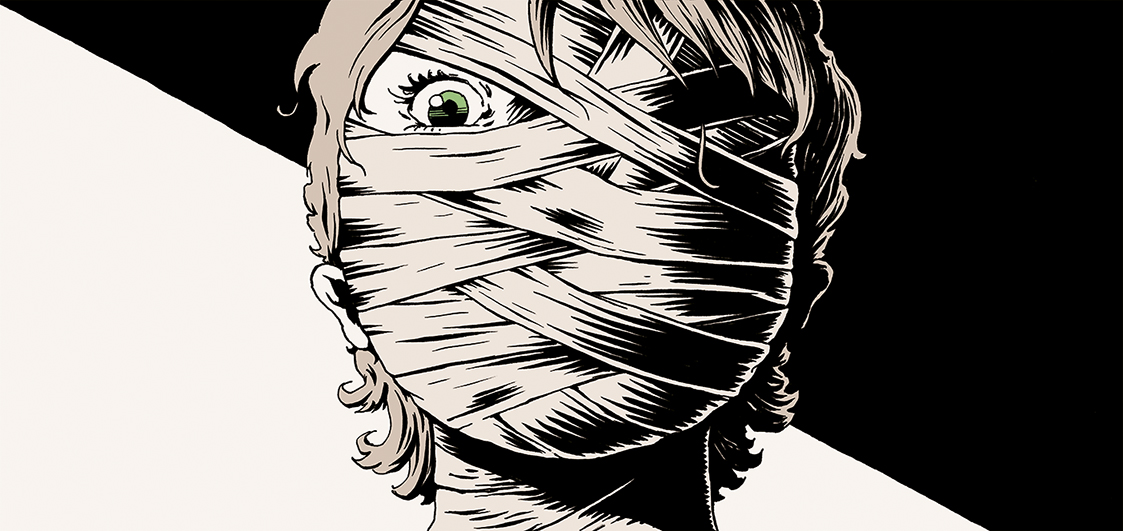
EL PÁJARO Y LA SERPIENTE
SP: Te defines como autodidacta. Antes de La Reina Orquídea ya había un camino recorrido en fanzines, revistas y proyectos de autoedición, pero parece que es con ese libro cuando muchos lectores empiezan a situarte con más claridad. ¿Cómo ves ahora esa etapa de aprendizaje, búsqueda y transformación de estilo?
Borja González: Sí, efectivamente. Antes de publicar los cómics por los que la gente me conoce, ya había publicado bastantes trabajos. Tuve un cambio de estilo que no fue muy drástico, pero es a partir de La Reina Orquídea cuando mucha gente empezó a conocerme. Da la sensación de que empecé ahí, pero realmente ya llevaba bastantes años trabajando. Mis proyectos anteriores no se parecían tanto a nivel estético, aunque a nivel temático no creo que fueran tan distintos.
SP: Antes de llegar a Reservoir Books fundaste, junto a Mayte Alvarado y Rui Díaz, la editorial El Verano del Cohete. En títulos como El rey de los elfos ya se intuía tu inclinación hacia esas figuras que después serían muy tuyas, y con La reina orquídea empieza a descubrirse tu característico lenguaje gráfico. Años después, ese título se reeditó casi al mismo tiempo que El pájaro y la serpiente, que vuelve de algún modo a esa historia desde una madurez gráfica distinta. ¿Te interesaba que el lector pudiera ver juntas la semilla y su evolución? Supongo que te costaría volver a mostrar un libro que tú sentías que aún no representaba plenamente tu propuesta.
Borja González: Sí, de hecho La Reina Orquídea fue el último libro que publicamos en la editorial, El Verano del Cohete, justo antes de dar el salto a Reservoir Books. Estaba en ese punto en el que me estaba acercando a un estilo gráfico que me gustaba, pero que todavía no terminaba de ver del todo. Había hecho muchas cosas a medio camino y con ese libro dije: “Voy a intentar hacer esto que tengo en la cabeza, a ver si funciona en cómic”. Lo hice con esa voluntad de prueba.
Cuando lo terminé, me parecía casi una hoja de libreta vieja, sin demasiado interés. Con el tiempo me di cuenta de que era mi favorito, precisamente porque, al estar probando cosas, tiene errores, pero también mucho desparpajo, algo que luego nunca eres capaz de recuperar. El pájaro y la serpiente es, de alguna forma, un intento de hacer bien aquello que yo consideraba que estaba mal, pero al mismo tiempo hay una parte que ya no puedes recuperar.
De ahí vino también la idea de reeditar La Reina Orquídea. Al principio no me convencía que alguien viera algo que estaba a medio camino, porque cuando una persona coge un libro con mi nombre en una librería no tiene por qué saber si salió antes o después. Yo pensaba: “La gente va a coger La Reina Orquídea ahora y va a pensar: de repente no sabe dibujar, ¿qué le ha pasado a este hombre?”. O al revés, que ha mejorado mucho. Hasta que no tuve claro que ese contexto se iba a entender, no me atreví con la reedición.
Una exposición te puede dar más contexto, pero un libro, por sí solo, no siempre lo explica. Por eso, una vez hecho El pájaro y la serpiente, sentí que la gente ya podía entender que La Reina Orquídea era un trabajo previo. Salieron casi al mismo tiempo, con un mes de diferencia, así que aquí, en España, quedó bastante claro el contexto.
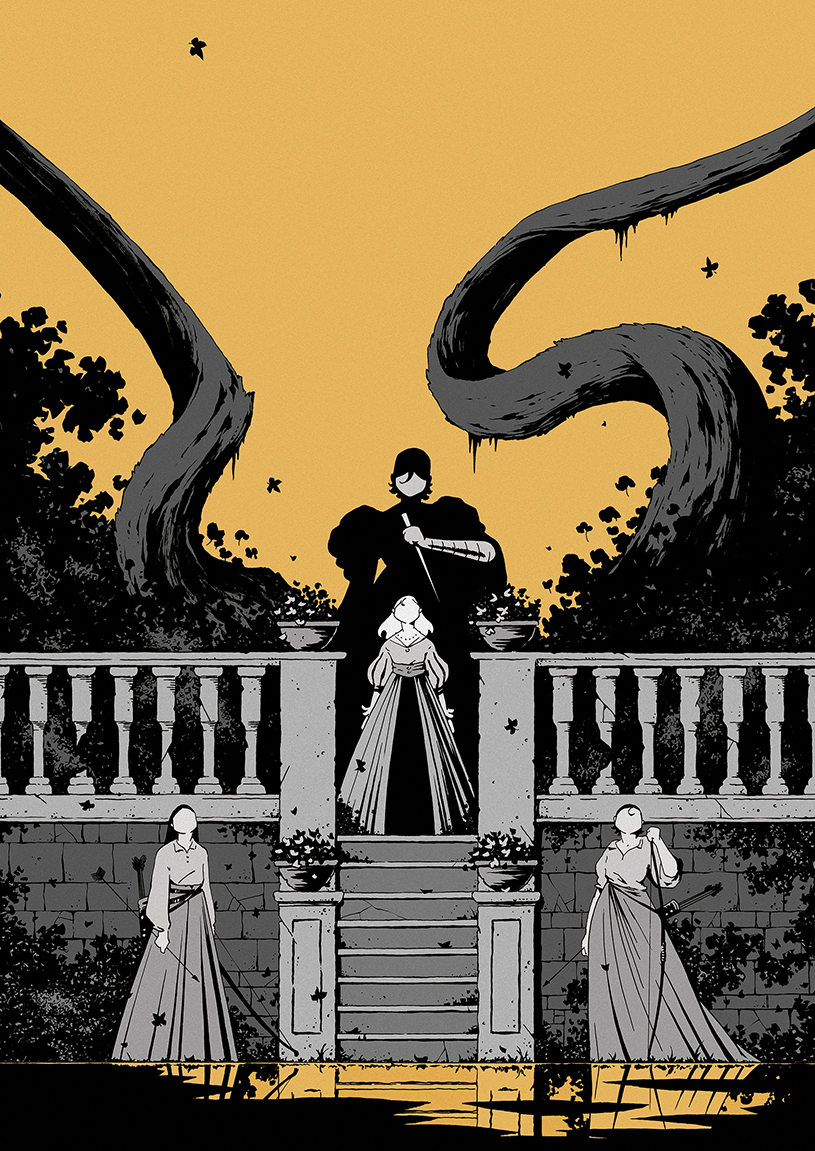
CARTEL PARA EL FESTIVAL CELSIUS
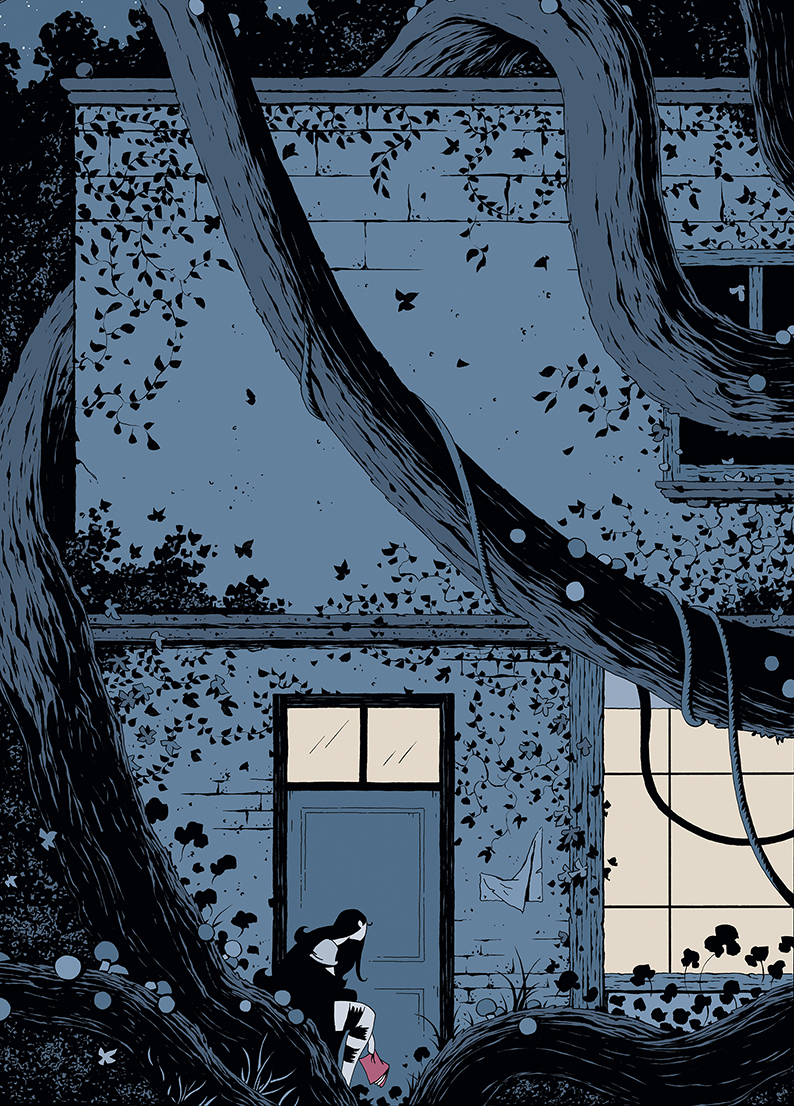
GRITO NOCTURNO
SP: The Black Holes, Grito nocturno y El pájaro y la serpiente se consideran parte de la trilogía Las Tres Noches. Comparten personajes, una atmósfera indefinida y una presencia muy marcada de mujeres jóvenes. ¿Todo eso estaba pensado desde el principio o fue apareciendo mientras escribías?
Borja González: No tenía pensado ni una cosa ni la otra; son cosas de las que te vas dando cuenta. En La Reina Orquídea eran dos chicas y no le di más importancia. Hay una alta probabilidad de que, si coges a dos personajes, sean dos mujeres. Pero cuando en el siguiente libro también son chicas por un lado y por otro, dices: igual aquí hay algo. Recuerdo que cuando se publicó The Black Holes, el primer libro con el que empezaron a hacerme entrevistas, mucha gente me preguntaba por esto y no sabía qué decir, porque no era una decisión consciente. Me sentía cómodo con esos personajes, eran los que salían, pero de repente eso no parecía suficiente respuesta y creo que me inventé muchas respuestas tontas.
SP: Cuando hablas de tu proceso creativo, parece que hay una voluntad firme de no controlar demasiado la historia, de dejar que el inconsciente encuentre su propio camino. Cada libro, además, tiene una atmósfera propia, marcada por una paleta de color muy reconocible. ¿Necesitas esa zona de incertidumbre para que la historia suceda?
Borja González: Trabajo mucho con la intuición, necesito no saber a ciencia cierta lo que viene después, porque en el momento en que lo sabes, algo se pierde. Los libros tienen fecha de entrega y un final, no puedes estar toda la vida haciéndolos, así que llega un momento en que dices que ya toca terminar. Muchas cosas se quedan fuera, y cuando estoy terminando un libro mi cabeza ya está pensando en el siguiente, que suele empezar con esas piezas que no encajaron en el anterior.
Se establece un diálogo inevitable entre un libro y otro. Cuando llevas varios, de repente le puedes poner un lacito, pero lo de la trilogía es más una cuestión editorial. Yo veía la relación entre los libros, iba poniendo piezas para que tuvieran cierta unión, pero le avisé a mi editor de que mi siguiente libro probablemente seguiría por otro lado, con lo cual lo de la trilogía se vendría abajo. No pienso a largo plazo.
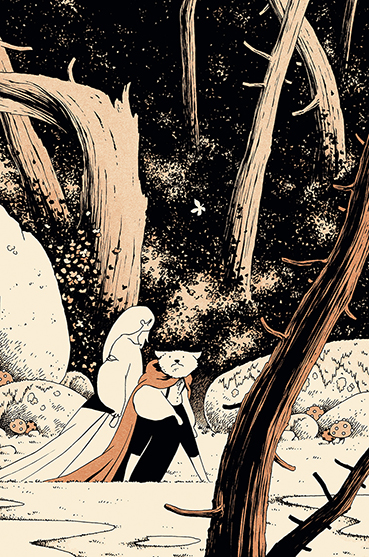
LA REINA DE OTOÑO
SP: Pensando en la relación entre el cómic y el cine, ¿te tienta que otra persona pueda llevar tu universo a la animación o a la imagen real? Te lo pregunto porque tus personajes, figuras sin rostro en escenarios atemporales y territorios desconocidos, parecen funcionar precisamente por lo que no muestran.
Borja González: Sí que está esa idea. El tema de las adaptaciones a cine o animación siempre ha rondado, pero no ha habido la oportunidad y, además, no creo que la hiciera yo mismo. Sería más lo que tú decías antes: que lo haga otra persona y ver qué sale, aunque me lleve la contraria. Una adaptación literal no me parece interesante, como esas películas que rehacen un clásico exactamente igual, pero en color y con actores; no aporta nada.
En mi cabeza los personajes funcionan de una manera concreta: no quiero saber cómo es la voz de Teresa, por ejemplo. Además, creo que contradice algunas cosas que hago en mis cómics. El juego de que no tengan cara no funciona igual en animación, porque ahí no tienen cara pero sí tienen voz, y la voz tiene demasiados matices. Yo lo que hago es quitarles matices. Preferiría que, si se adapta, sea con actores reales, no con actores de IA.
SP: Muchas de tus protagonistas están en plena adolescencia, una edad en la que todo parece estar todavía por definirse. ¿Qué encuentras en ese momento vital para que encaje tan bien con tu forma de contar?
Borja González: Hay muchos motivos. Probablemente tiene que ver con la edad que tenía cuando empecé a trabajar con personajes adolescentes, muy lejos ya de serlo yo mismo. Cuando ves una obra con adolescentes, y por eso la entendemos como una obra “adolescente”, creo que hay maneras distintas de enfocarlo. No creo que mis cómics sean para adolescentes, porque entonces no lo entenderían igual: hace falta echar de menos la adolescencia para entenderlo así, saber lo que significó y verlo ahora con cierta distancia.
Ese chasquido de dedos que te lleva de los 16 a los 45 tiene tanta presencia como el hecho de que mis personajes tengan 16 o 18 años. Me parece importante también porque en la adolescencia los personajes tienen todavía cierta esperanza, como concepto general, que inevitablemente empieza a decrecer con los años. Y un adolescente es la edad perfecta para viajar por ese territorio indeterminado en el tiempo y el espacio del que hablábamos: te llaman la atención cosas de antes de que nacieras, odias la cultura que te rodea y esperas que en veinte años mejore. Con 40 o 45 lo ves de otra forma. No es como recuerdo mi propia adolescencia, es como la recuerdo ahora que no existe.
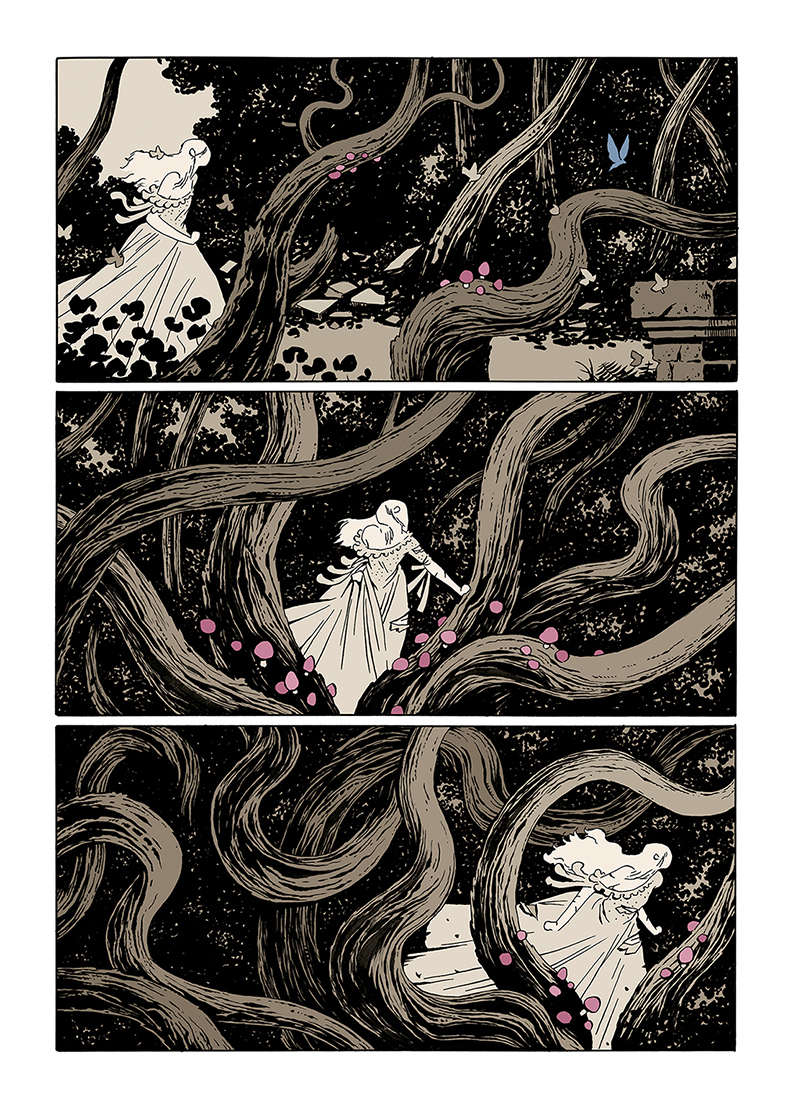
GRITO NOCTURNO
SP: Has dicho que el ritmo es fundamental en tu forma de escribir. En tus personajes hay un enfoque minimalista: pocos datos, pocas explicaciones, rostros ausentes. ¿Todo eso forma parte de una misma manera de contar?
Borja González: Escribo y, si lo que escribo no tiene una especie de melodía, no me convence, me aburro y desconecto. Puedo ver una película o leer un libro y no enterarme del argumento, pero quedarme con el ritmo, con las sensaciones. Las cosas se me olvidan, así que no les presto tanta atención. El cómic, en concreto, funciona por ritmo: si no lo hay, a las veinte páginas paro. El ritmo me importa mucho más que un argumento estructurado o una construcción de personajes compleja. No me interesa que alguien diga: “Qué personaje más complejo”.
Teresa o Matilde son esquemáticas: sabes un nombre, una edad aproximada y cómo se sienten, y esa emoción es concreta pero no está definida por algo en particular. Son cosas más generales, del tipo: “Vaya por Dios, mi familia me abruma”. Quitarles las facciones tiene que ver con eso: permite que quien lea el cómic diga “esta persona está agobiada”, porque vivir hoy es así. Hay una escena en Grito nocturno en la que Teresa, borracha, se pone a llorar y dice que no puede más con la vida, sin explicar por qué. Pensé: cualquier otra obra explicaría el motivo, pero aquí no hace falta, porque es perfecto para que cada lector ponga ahí su propia razón por la que la vida le pesa.
SP: En medio de la saturación de estímulos, tus cómics parecen confiar más en la sensación directa que en la explicación. ¿Crees que hoy seguimos conectando con las cosas, aunque nos cueste más mantener la atención?
Borja González: Sí, aunque ahí salen perdiendo los argumentos complejos, no tanto las sensaciones directas. No creo que la gente joven haya perdido la capacidad de conectar con las cosas, sino quizá la de mantenerse en una trama durante horas. Puedes ver una pintura y en quince segundos saber lo que te transmite, aunque no seas capaz de explicarla: la sientes, y esa capacidad no se pierde. Si a alguien le interesa un clip de doce segundos es porque le ha transmitido algo concreto y lo ha pillado; la gente no es idiota. A lo mejor hay sobreestímulo y hace falta más intensidad, como un yonqui, pero no se pierde la capacidad de que algo te guste o no. Es verdad que hay mucha paja, y yo tampoco soporto perder el tiempo con algo que no me está contando nada. Creo que la gente, en ese sentido, es cada vez más crítica e independiente.
SP: Has dicho en alguna ocasión que para aprender a hacer cómics primero hay que aprender a leerlos de verdad. ¿Qué significa leer bien un cómic?
Borja González: De esto me di cuenta sobre todo en el festival Celsius, de literatura fantástica y terror, donde estuve rodeado de grandes lectores. Mucha gente sentía la necesidad de decirme que no leía muchos cómics y que por eso no había leído el mío. En una comida, la gente empezó a confesarse: eran lectores, pero cada vez que cogían un cómic no eran capaces. Uno me dijo que leía solo los bocadillos, saltando de uno a otro, porque estaba acostumbrado a leer así.
El cómic tiene una particularidad: cuando abres una doble página, la primera viñeta que ves no es la primera de la página, sino la que domina el conjunto; luego vas a la primera, pero nunca dejas de ver también la última. Si quieres esconder si el villano recibe el disparo o no, da igual dónde lo pongas, lo vas a ver en cuanto pases la página. No puedes esconder cosas como sí puedes en la literatura o el cine. Por eso hay géneros, como el terror, a los que les cuesta más: está todo a la vista.
El cómic se lee a una velocidad concreta: lees el texto, miras los dibujos, vuelves a leer el texto, ves todo a la vez, y eso se entrena leyendo, no hay otra manera. Me da pena cuando alguien me dice que se leyó mi libro en veintitrés minutos. No pasa nada, pero no lo ha vivido. El cómic está para perderse un poco, parar y volver.
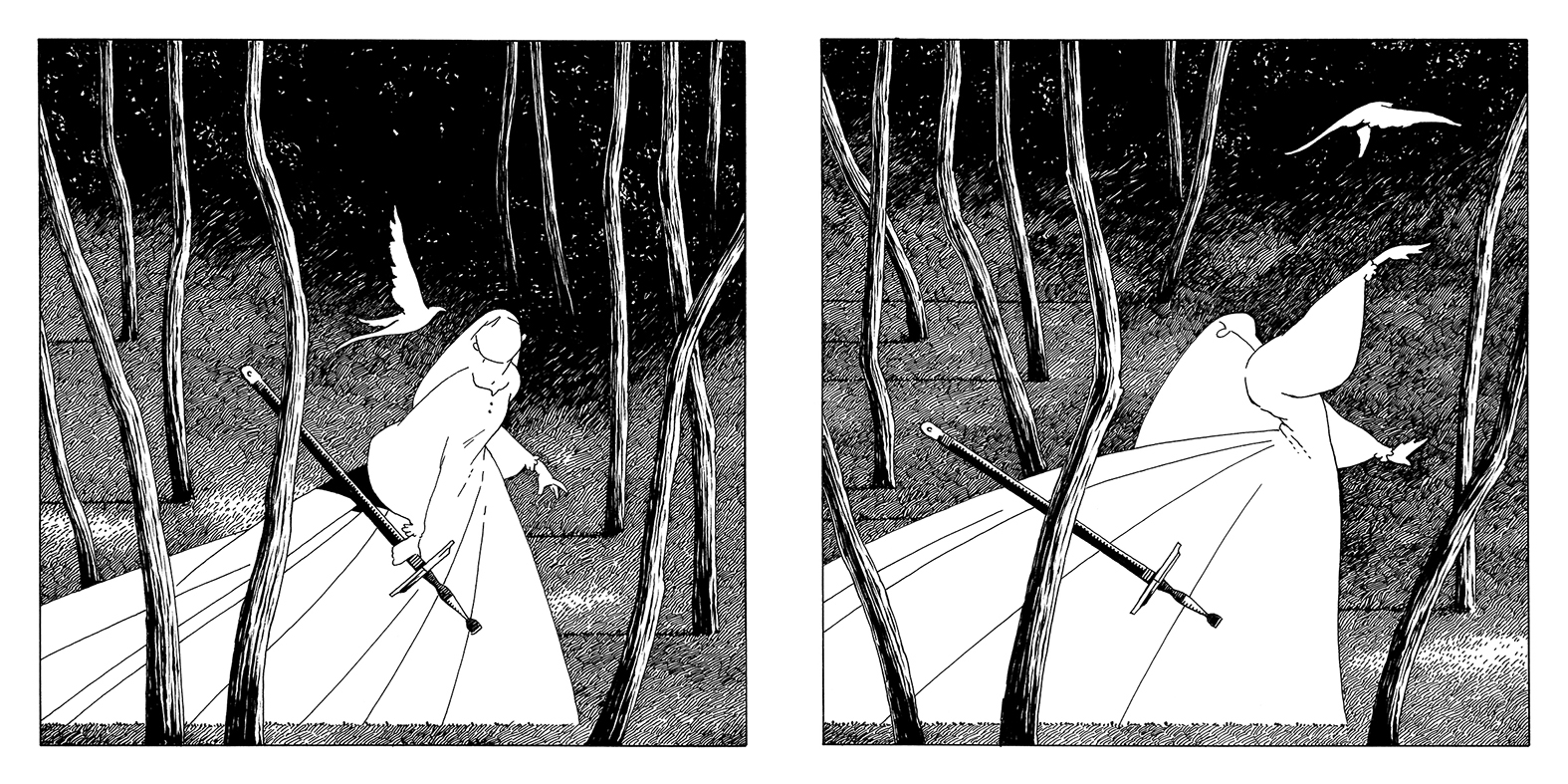
EL VIENTO
SP: En literatura o cine se puede esconder información hasta el último momento, pero en el cómic la página se ofrece casi entera a la vista. ¿Eso te obliga a construir el misterio desde otro lugar?
Borja González: Creo que también influye que el golpe de efecto, la sorpresa, no funciona igual que en literatura o cine. En el cine no ves una imagen hasta que llega, no existe hasta entonces; en la literatura te van anticipando cosas, pero no ves la resolución hasta terminar de leer. En el cómic, en cambio, todo está ahí. Es más parecido a cómo se lee una pintura: es inmediato, no hay tanto margen para el misterio narrativo, sino para un misterio de otro tipo.
SP: En tu caso hay un imaginario personal muy reconocible¿Cómo transitas tú, en el día a día, entre tu mundo real y esos mundos de ficción que construyes?
Borja González: La experiencia con la realidad es inevitable, de ahí sale la otra; si no hubiera conexión entre las dos, ninguna sería interesante. Lo bonito es cuánto de real hay en un puñado de dibujos y letras que crean símbolos, y cuánto de esa fantasía está ya en la realidad. Si lo traslado a las páginas es porque en algún sitio ya está, solo que configurado de otra forma.
Me costaría mucho hacer una fantasía muy reglada, porque la realidad no funciona así tampoco. No tengo problema en meter un demonio o un salto en el tiempo, pero no soportaría sentarme con papel y lápiz a diseñar cómo funciona ese sistema mágico. Me baso en la realidad para construir el mundo fantástico, y esos saltos temporales son cosas que siento en la vida real. Hay mucho de mí en mis cómics: mis gustos, lo que me gustaría que fuera y no es. Lo bonito de hacer este tipo de cosas es intentar materializar tu manera de ver la realidad, comprimirla y, de ahí, sacar un objeto un poco mágico.
SP: ¿Cuáles dirías que son tus influencias más importantes? No solo a nivel visual, sino también en la forma de narrar, de crear atmósferas o de habilitar espacios de reflexión.
Borja González: La gente suele preguntarme por dibujantes con los que aprendí a dibujar, y ahí hay muchos, pero yo distingo entre la gente que te inspira, aunque no se parezca en nada a lo que haces o pertenezca a otro lenguaje, y la gente que te enseña. A nivel de narración aprendí mucho de gente como Mike Mignola, pero también de Tom Gauld, aunque no tienen nada que ver con lo que hago. Con Gauld aprendí a manejar los silencios, los espacios, esos personajes con poca expresividad. Como influencia directa, siempre me interesó mucho el terror en literatura y cine, y probablemente sea mi mayor influencia.
SP: Mencionas el terror como una influencia fundamental, aunque dices que has perdido un poco la costumbre de verlo. ¿Cuál ha sido la última película del género que te ha interesado?
Borja González: Hace mucho, la verdad. Dejamos de ver películas de terror en casa y ahora, como he perdido la costumbre, me dan miedo otra vez. La última que vi fue Longlegs, con Nicolas Cage. De Longlegs lo que más me funcionó es cuando no tiene ningún sentido, cuando hay cosas completamente abstractas que no se pueden explicar del todo: eso da más miedo. Luego la película patina un poco porque en algún momento parece que necesita explicar algo, y ahí pierde fuerza.
Mi cine de terror de referencia viene sobre todo del cine italiano, gente como Lucio Fulci, que no se paraba tanto en el argumento sino en la atmósfera y lo gráfico. Ese tipo de cosas que no son tan obvias son las que de verdad impresionan.
SP: Hay una frase que se te atribuye y que resume muy bien una parte de tu mirada: “en el sitio más feo se encuentran las cosas más bonitas”. ¿Qué hay detrás de esa idea?
Borja González: Sí, probablemente la haya dicho yo. Tiene que ver con lo que decía del terror: no me interesa tanto el que da un susto, sino el que sugiere cosas, el que enseña algo que no conocía. El terror tiende a la belleza plástica; gente como Dario Argento son prácticamente escenógrafos: todo es color, plasticidad, juego con el sonido. Es belleza organizada para generar inquietud e incomodidad, pero hay una belleza plástica ahí que me resulta muy interesante.
Igual que un exceso de belleza “armónica” también puede generar mal rollo, como si ocultara algo. Hay una línea muy fina entre lo agradable y lo desagradable, entre lo bonito y lo terrorífico, y ese tipo de cosas me interesan. Si quieres encontrar algo bonito, merece la pena bucear en los sitios donde no lo encontrarías normalmente, porque lo que encuentres ahí va a brillar más.
SP: Acabas de cerrar un nuevo libro que se publicará en octubre. Después de El pájaro y la serpiente, ¿sentías la necesidad de ir hacia otro lugar, o era inevitable que algo de lo anterior volviera a aparecer? Y ya que estamos, ¿puedes adelantarnos el título?
Borja González: El libro que acabo de terminar, que se publica en octubre, en mi cabeza iba a ser algo distinto, porque sentía que con El pájaro y la serpiente ya había cerrado un ciclo y quería tirar por otro lado. Al final hay alguna cosita de unión con los otros libros, no es tan distinto. Creo que cualquier cosa que haga siempre va a estar ligada a lo anterior de alguna manera.
Lo terminé hace cosa de un mes; ahora estamos con retoques y corrección de textos, pero el libro ya está cerrado. Se llama La reina de otoño. De hecho ya se ha filtrado, porque las editoriales grandes mueven los datos en los sistemas de librerías con mucha antelación y, si buscas el libro en Amazon, ya aparece la ficha, así que la gente ya lo está compartiendo aunque yo quería anunciarlo mejor.
SP: Y ahora sí, para cerrar con una pregunta más terrenal: ¿te han invitado a la Comic-Con Málaga de este año?
Borja González: Si me invitaran iría, pagan bien. Pero no creo que sea el perfil de ese tipo de evento.
SP: Ha sido un auténtico placer, Borja. Muchas gracias por tu tiempo y mucha suerte con la publicación de La reina de otoño en octubre. Estaremos atentos a su estreno.
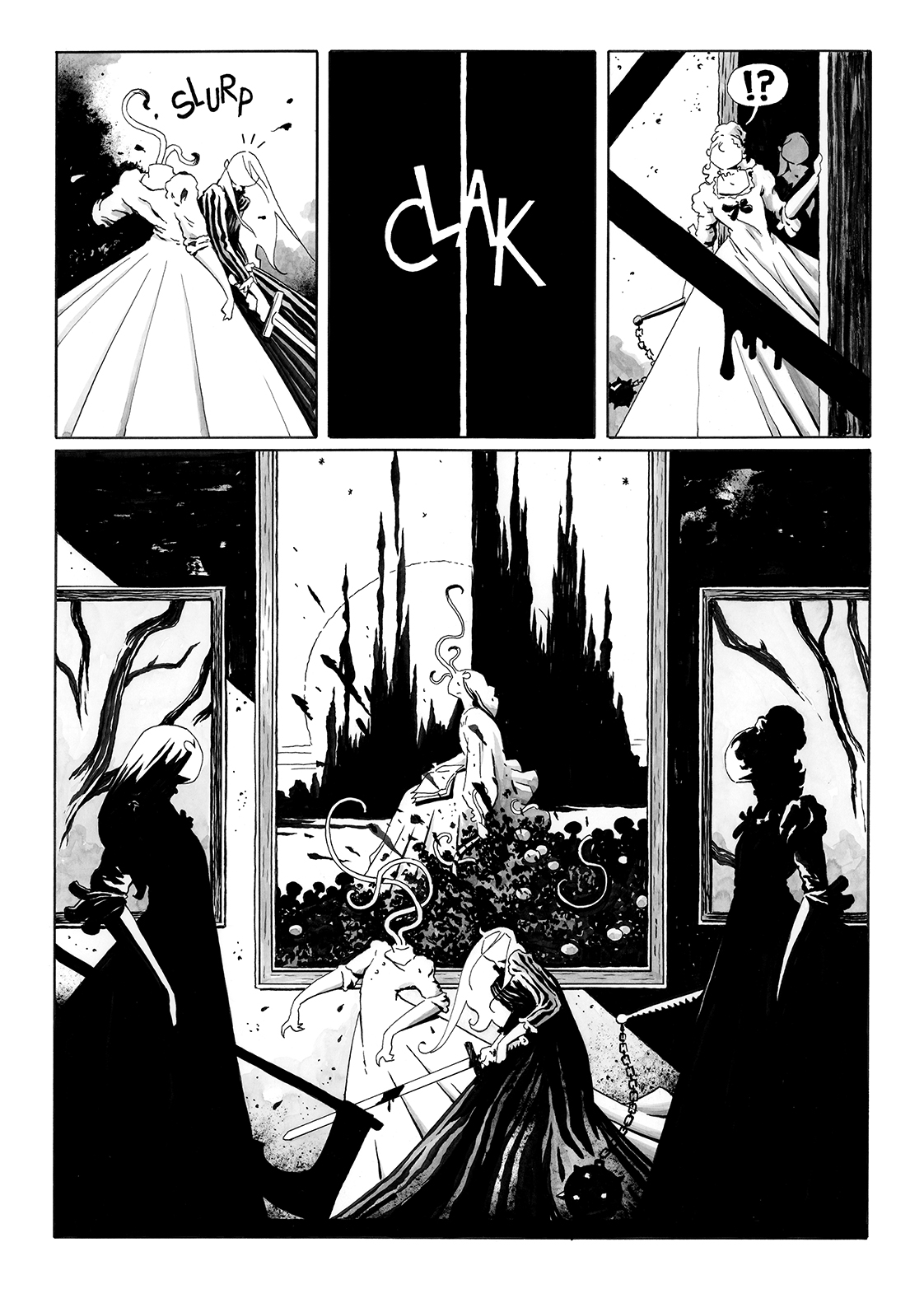
ALGÚN DÍA HARÉ LAS COSAS BIEN